Canvas of Hope: How the Healing Power of Art Helps Fight Depression
Depression is often described as a heavy, grey fog that rolls into your life, swallowing up all the colors, motivation, and joy. When someone is going through it, the simplest tasks can feel like climbing a mountain. Worst of all, depression often strips away your words, leaving you feeling completely isolated and unable to explain the weight inside your chest to the people who love you.
But when words fail, creativity can step in as a quiet, gentle lifesaver. You don’t need to be a master painter or a professional sculptor to experience the incredible healing power of art. Sometimes, just making a complete mess with colors on a blank piece of paper can be the first step toward finding your way back to the light.
A Voice Without Words: The Magic of Art Therapy
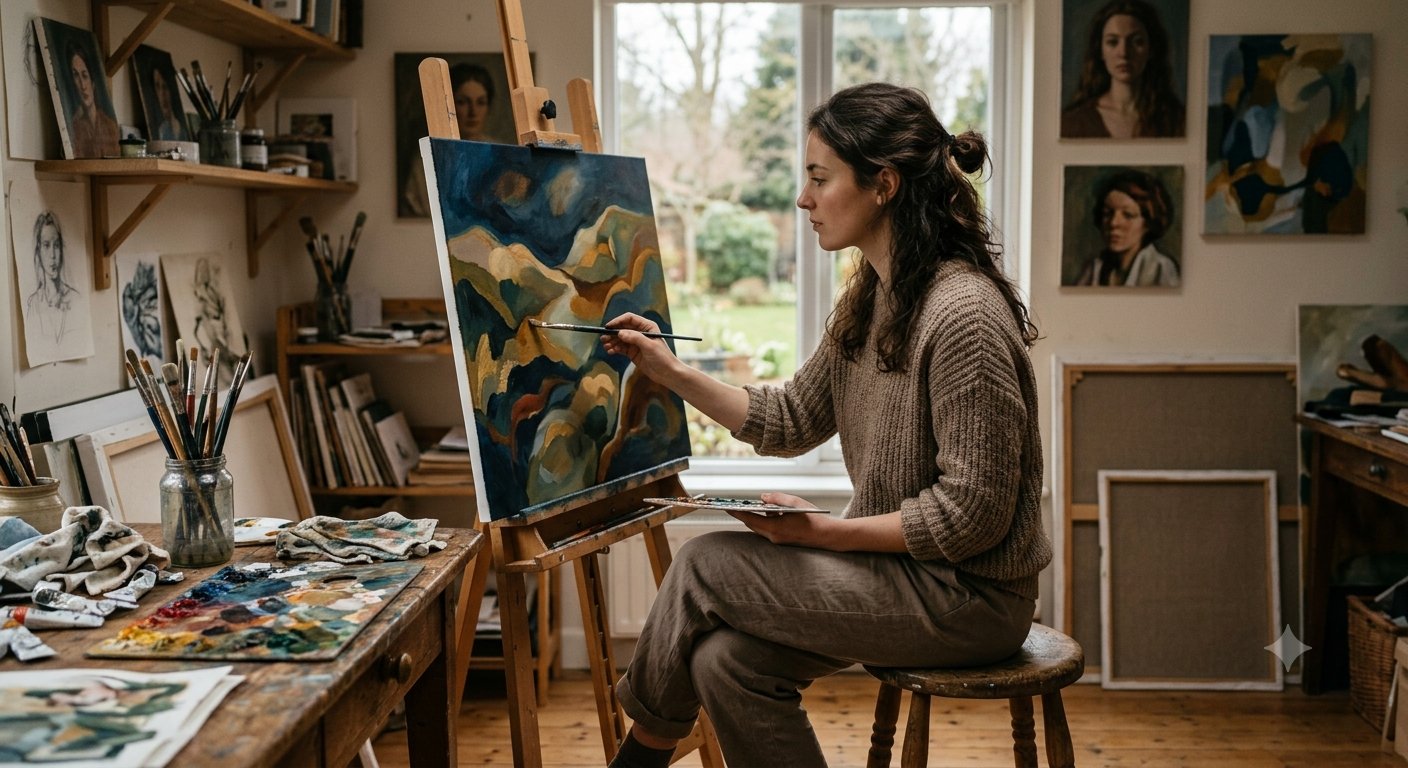
One of the biggest reasons art therapy for depression is so incredibly effective is that it bypasses the need for verbal communication. When you sit down with a canvas, a sketchbook, or even a digital drawing tablet, you aren’t trying to write a perfect sentence. You are just letting your hands move.
If you feel angry, you can smash dark, aggressive strokes of black and red across the page. If you feel empty, you can paint vast, quiet blue landscapes. This process creates a safe space for an emotional release through art. It allows you to take all those heavy, confusing, and painful thoughts trapped inside your brain and trap them on a piece of paper instead. Once the emotion is out there on the canvas, it stops living entirely inside you. You can step back, look at it, and realize that you are separate from your pain.
Shifting the Brain’s Radio Channel
From a neurological standpoint, engaging with mental health creative outlets acts like a reset button for a stressed-out brain. Depression usually forces your mind into a toxic loop of overthinking and negative self-talk.
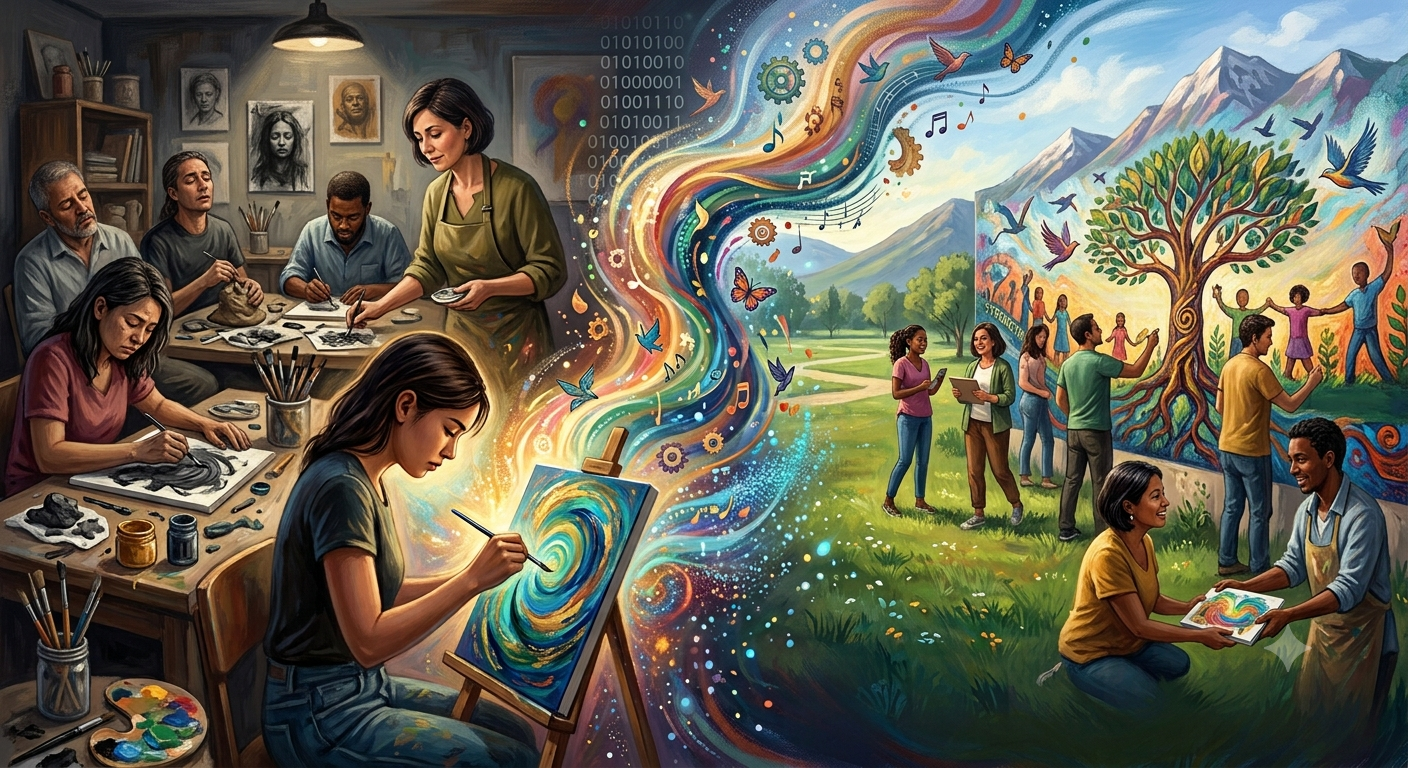
When you get completely absorbed in a creative task—whether it is blending watercolors, molding wet clay, or knitting a colorful scarf—your brain enters a state of “flow.” This is a meditative zone where your survival-mode brain finally gets to rest. Your heart rate slows down, your cortisol levels drop, and your brain starts releasing small bursts of dopamine (the reward chemical). It forces you to stay present in the current moment, focusing entirely on the texture of the brush or the blending of the colors, effectively breaking the cycle of dark thoughts.
No Perfection Required
The absolute best part about using art as a healing tool is that there are zero rules. This isn’t a high school art class, and nobody is going to grade your work. It doesn’t matter if your drawing looks like a five-year-old did it. The value isn’t in the final product; it is entirely in the process of creation.
If you or someone you know is currently sitting in the dark, struggling to find a way out, try picking up a pencil or a brush. Don’t worry about creating a masterpiece. Just let the colors flow, embrace the imperfections, and let the quiet magic of art do the talking. You might be surprised by how much lighter you feel when the canvas takes some of your weight.